







Introduction
Traveling with sensitive skin can be a challenge. Long flights, changing climates, and unfamiliar environments can leave your skin feeling itchy, dry, or irritated. For many travelers, the discomfort starts with what they wear. The wrong fabric can turn an exciting trip into a struggle with redness or rashes. But the right clothing, especially the right scarf, jacket, or accessory, can make all the difference.
If you’re searching for travel gear that keeps your skin calm and comfortable, you’ve likely come across two main options: natural Merino wool and synthetic fabrics. Which is truly better for sensitive skin on the move? This guide compares Merino wool and synthetics, helping you make an informed choice for your next journey.
Understanding Sensitive Skin and Travel Challenges
What is Sensitive Skin?
Sensitive skin reacts more easily to environmental changes, fabrics, and irritants. Common signs include
• Redness
• Itching
• Dryness
• Rashes
For some, even a short trip in the wrong clothing can trigger flare-ups or discomfort. This is especially true when traveling, as your skin is exposed to new climates, air quality, and stressors.
Typical Travel Problems for Sensitive Skin
Travelers with sensitive skin often face:
• Long hours in rough, tight, or irritating clothes
• Exposure to dry airplane air, dust, and allergens
• Limited access to gentle skin care products
• Frequent changes in temperature and humidity
Choosing the right travel clothing can help prevent these issues and keep your skin looking and feeling its best.
Merino Wool: Nature’s Soft Solution

Why Merino Wool is Gentle on Skin
Merino wool, used in Samaya Merino’s boiled wool scarves, merino wool jackets, and accessories, is prized for its ultra-fine fibers. These fibers are much thinner than traditional wool, creating a smooth, soft surface that rarely causes itching or irritation. Superfine Merino wool is even recognized as asthma- and allergy-friendly, making it a safe choice for those with sensitive skin.
Key benefits include
• Softness: Fine fibers bend easily, reducing prickliness and friction.
• Hypoallergenic: Rarely triggers allergic reactions or flare-ups.
• Moisture-wicking: Absorbs up to 30% of its weight in moisture, keeping skin dry and comfortable.
• Natural antibacterial properties: Helps prevent odor and bacteria buildup.
Benefits for Travelers with Sensitive Skin
• Reduced risk of irritation: Unlike many synthetics, Merino wool is gentle and soothing, even for those with eczema or allergies.
• Keeps skin dry: Moisture management prevents chafing and discomfort, especially during long journeys or in humid climates.
• Regulates temperature: Merino wool adapts to your body and environment, keeping you warm in cold weather and cool in heat.
Real-World Example
Many travelers with eczema or allergy-prone skin report fewer flare-ups when wearing Merino wool layers during their trips. One traveler, for instance, shared how wearing a merino wool scarf and jacket for two weeks led to noticeably less redness and dryness, even after long flights and outdoor adventures. Clinical studies support these experiences, showing that merino wool can help reduce symptoms of atopic dermatitis and enhance overall skin comfort. For real stories and styling ideas from our community, visit us on Instagram.
Synthetics: Durable and Versatile Fabrics
Common Types and Features
Synthetic fabrics like polyester, nylon, and blends are popular for travel because they are:
• Lightweight
• Stretchy
• Quick-drying
They are often used in activewear, outerwear, and accessories for their durability and ease of care.
Pros and Cons for Sensitive Skin
Pros:
• Dry quickly: Useful if you need to wash and dry clothes on the go.
• Durable: Resists wear and tear, making them good for rugged travel.
Cons:
• May trap heat and sweat: Synthetics are less breathable than natural fibers, which can lead to overheating and moisture buildup.
• Chemical processing: Many synthetics are treated with dyes, finishes, or flame retardants that can cause skin irritation, itching, or rashes, especially for sensitive skin.
• Less breathable: Trapped moisture can lead to bacterial growth and odor, increasing the risk of skin discomfort.
• Expert Insights: Textile experts and dermatologists often recommend natural fibers for sensitive skin. If you must wear synthetics, look for options labeled hypoallergenic and free from harsh chemicals or dyes.
Key Factors in Choosing Travel Clothing for Sensitive Skin
Fabric Composition and Quality
• Natural fibers like Merino wool are generally best for sensitive skin.
• Check labels: Avoid garments with heavy chemical finishes or treatments.
• Choose high-quality, small-batch items: Samaya Merino’s boiled wool scarves and jackets are handmade in small batches, ensuring careful craftsmanship and minimal chemical use.
Fit and Comfort
• Loose-fitting clothes: Reduce friction and allow air to circulate, minimizing irritation.
• Seamless or well-finished designs: Minimize rubbing and pressure points. Many Merino wool accessories, like soft fingerless gloves, are designed for comfort and flexibility.
Care and Maintenance
• Wash with gentle, fragrance-free detergent: Prevents residue that can irritate skin.
• Avoid fabric softeners: These can leave behind chemicals that trigger reactions.
• Hand wash and lay flat to dry: As recommended for Samaya Merino’s scarves and jackets, this preserves fiber quality and softness.
Practical Tips for Sensitive Skin Travelers

• Pack multiple lightweight Merino wool pieces: Accessories like a merino wool scarf for women or a boiled merino wool jacket are versatile and easy to layer.
• Choose hypoallergenic synthetic options if necessary: Look for labels that specify “no harsh chemicals” or “dermatologist tested” if you must use synthetics.
• Test new fabrics at home: Wear new clothing for a few hours before your trip to check for any reactions.
• Use travel-sized skincare products: Bring gentle, fragrance-free cleansers and moisturizers to soothe skin during your journey.
• Rotate and air out your clothing: Merino wool’s odor resistance means you can wear pieces multiple times, reducing the need for frequent washing.
Merino Wool Scarves and Neckwear
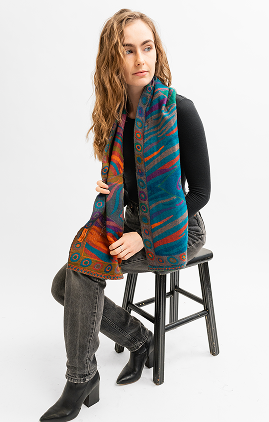
Samaya Merino’s boiled wool scarf is crafted from 100% pure Australian Merino wool. It’s super soft, lightweight, and non-itchy, with a reversible design for versatile styling. The boiling process enhances warmth and comfort, making it ideal for sensitive skin and changing travel climates.
Merino Wool Jackets and Outerwear
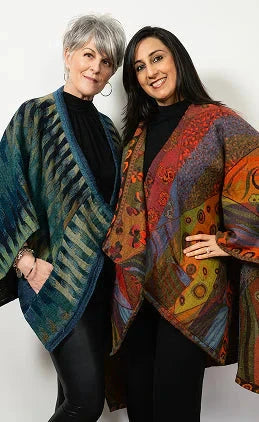
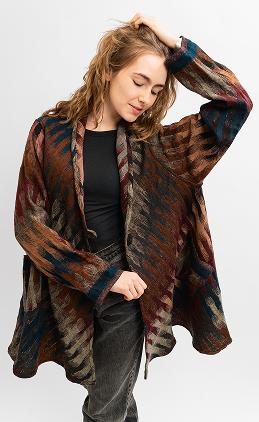
The handmade reversible merino wool kimono jacket and merino wool duster jacket are designed for comfort and flexibility. Made in small batches by skilled artisans, these jackets are soft, warm, and easy to layer, perfect for travel and sensitive skin.
Accessories for Added Comfort
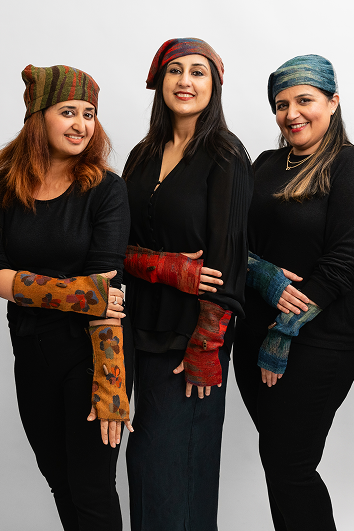
Accessories like soft fingerless gloves provide warmth without bulk. Their thoughtful design ensures a gentle fit, avoiding tightness or rough seams that can irritate sensitive skin.
Conclusion
Sensitive skin requires thoughtful choices, especially when you’re on the move. Merino wool stands out for its natural softness, moisture management, breathability, and hypoallergenic qualities. It keeps your skin dry, comfortable, and free from irritation, whether you’re exploring a new city or relaxing on a long flight.
While synthetics can offer durability and quick-drying convenience, they often fall short in comfort and skin-friendliness, especially for those prone to irritation or allergies. If you do choose synthetic fabrics, opt for hypoallergenic, chemical-free options, and always test them before your trip.
Investing in high-quality, well-crafted pieces, like a women's merino wool scarf or a boiled merino wool jacket, can make your travels smoother and your skin happier.
Travel confidently and comfortably; choose fabrics that care for your sensitive skin, wherever your journey takes you.